
Spring Stonework Inspection: What to Check After a British Winter
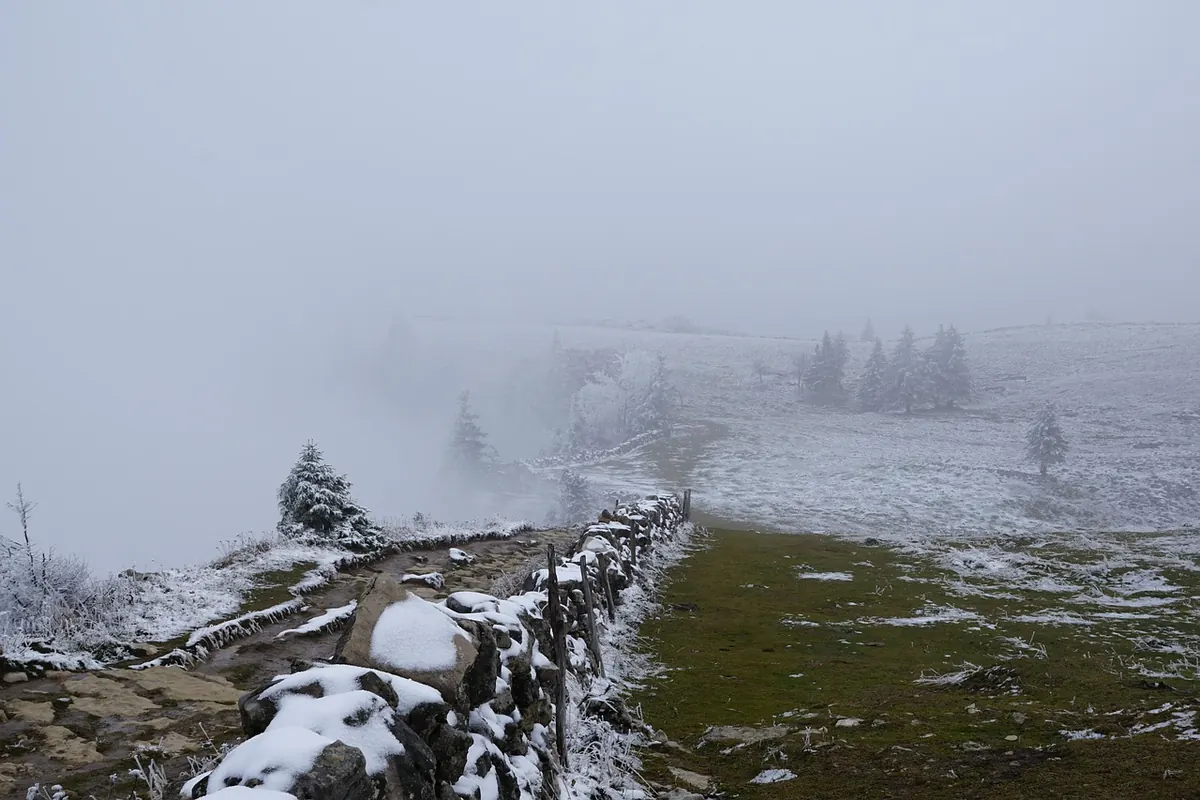
Winter is hard on stone. Freeze-thaw cycles, driving rain and persistent damp find every weakness in a wall, a sill or a coping. By the time the first warm days arrive, small problems have often become larger ones. A careful spring inspection takes an hour or two and can save a great deal of expense later. Walk around your property with a notebook, a torch and a small mallet. Start at ground level and work upwards.
Check for Frost Damage
Frost damage shows up in different ways. Look for spalling: the face of a stone flaking away, leaving a hollow or a rough patch. On softer stones, such as limestone or sandstone, you might see powdering or crumbling at the edges. Tap suspect stones with a mallet. A dull thud suggests the stone is sound; a hollow ring means it has separated from the wall behind. Pay close attention to copings, window sills, steps and plinth stones, which catch the worst of the weather. If a stone has moved or is loose, do not ignore it. Photograph it, note the location, and keep an eye on it. A small repair now is easier than replacing a whole section later.
Understand Efflorescence
Those white, powdery patches on stone or mortar are efflorescence: soluble salts brought to the surface by water and left behind when it evaporates. It is usually harmless and often disappears with time. Brush it off with a stiff brush. Do not use acid or a pressure washer, which can drive salts deeper and damage the stone. If efflorescence keeps returning, it is a sign that water is getting into the wall and finding its way out. That is the real problem to investigate. Check for faulty gutters, cracked render, or a blocked drip groove above. Dry brushing is almost always the right first step.
Look for Movement
Movement in stonework can be gradual and easy to miss. Stand back and look along the wall. Is it still straight? Are there new cracks, especially stepped cracks running through the mortar joints? Check around windows and doors for gaps that have opened up. Look at lintels, arches and quoins. A crack that is wider at the top than the bottom suggests a foundation issue; one that is wider at the bottom might mean roof spread or wall tie failure. Use a tell-tale: a small piece of glass or a pencil line across the crack. Date it and measure again in a month. If it has moved, call a structural engineer. Do not simply fill a moving crack and hope for the best.
Assess the Pointing
Pointing is the mortar between the stones. After winter, it often looks tired. Run your finger along the joints. If mortar crumbles away, or if you can push a screwdriver in more than a few millimetres, it has failed. Look for deep, recessed joints where the mortar has washed out, and for cracks running along the joint. On older buildings, the pointing should be lime mortar, not cement. Cement is harder than the stone and traps moisture, which leads to spalling. Repointing is skilled work. Rake out the old mortar carefully, wet the joint, and pack in new lime mortar, finishing it slightly recessed. Do not point in freezing weather or direct hot sun.
Check Drainage and Water Management
Water is the single biggest cause of stone decay. After winter, walk the perimeter and check:
- Gutters and downpipes: are they clear, securely fixed and free of leaks?
- Hopper heads and gullies: remove leaves and silt.
- Ground levels: soil or paving should sit at least two courses below the damp-proof course, or below the internal floor level in older stone buildings.
- Drip grooves and sills: these should throw water clear of the wall.
- French drains and soakaways: check they are not blocked or silted up.
- External taps and overflow pipes: look for drips that keep the wall wet.
If water is splashing onto stone, it will eventually find a way in. Adjust, repair or redirect it.
Deal with Organic Growth
Algae, moss and ivy can look charming, but they hold moisture against the stone. Moss and algae are usually a sign of damp, shaded conditions. Scrape them off gently with a plastic scraper or a stiff brush. Avoid pressure washing, which erodes the surface. Ivy is more serious: its roots can work into mortar joints and its weight can pull down gutters. Cut ivy at the base and let it die back before removing it. If you find deep roots in the masonry, take care not to enlarge the holes. For listed buildings, check before removing anything, as consent may be needed. When in doubt, ask a conservation officer or an experienced mason.
Make a Plan and Know When to Call a Mason
A spring inspection is about catching small things early. Write down what you find, take photographs, and note the date. Sort the list into three groups: urgent, monitor, and cosmetic. Urgent items include loose stones, active leaks and structural cracks. Monitor items are things like a hairline crack or a patch of efflorescence that might not change. Cosmetic items can wait. If you are unsure, or if the work involves heights, heavy stone or historic fabric, bring in a professional. A good mason will tell you what needs doing now and what can be left. Regular inspection, once a year, is the simplest way to keep stonework sound.
Photo: photosforyou / Pixabay